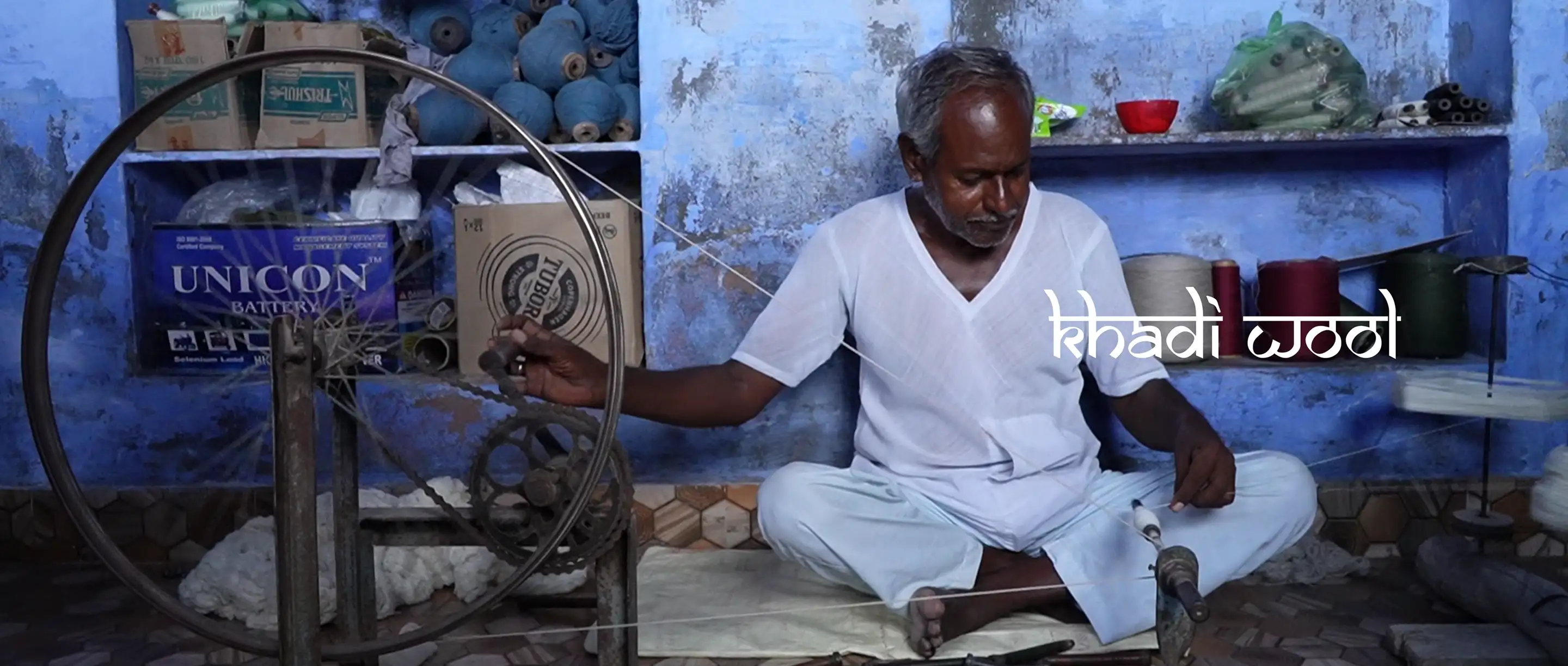
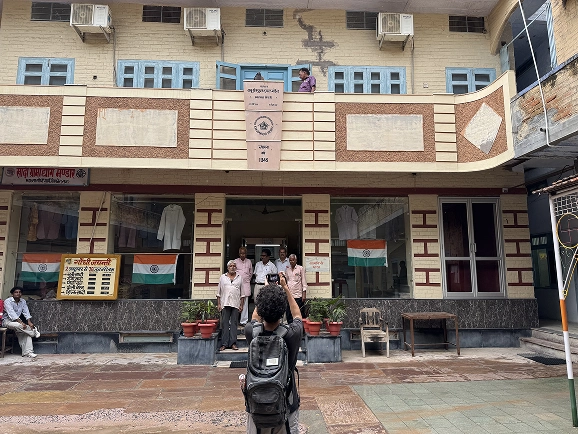
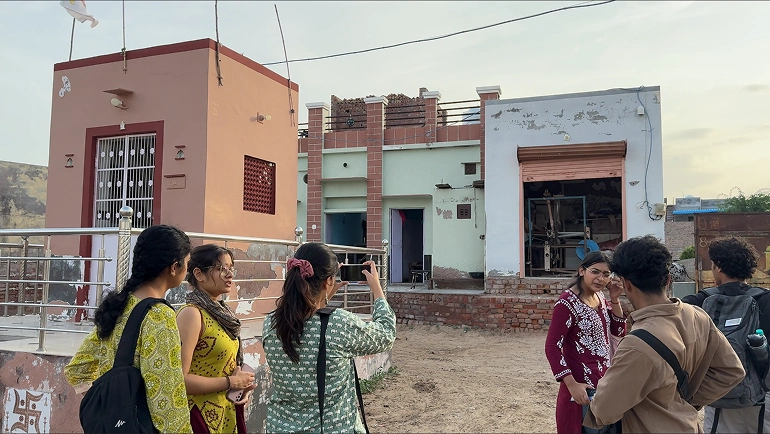
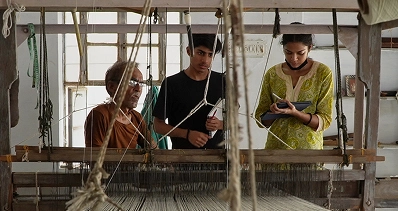
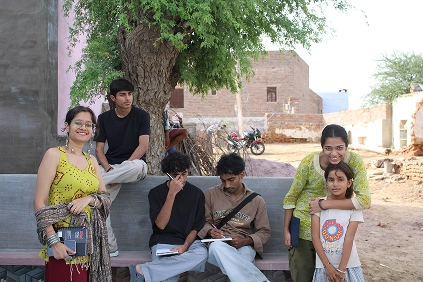
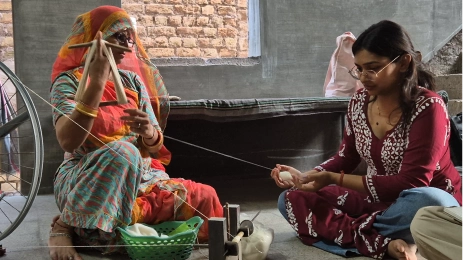
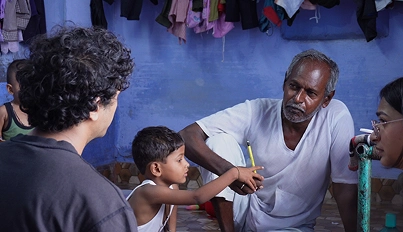
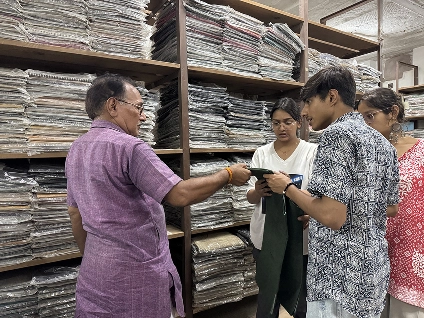
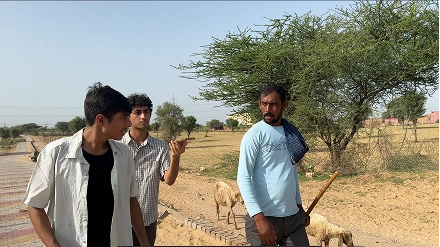
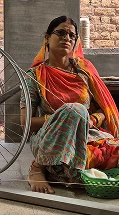
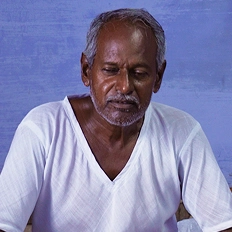
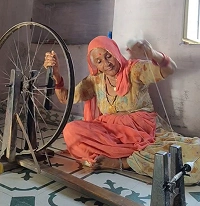
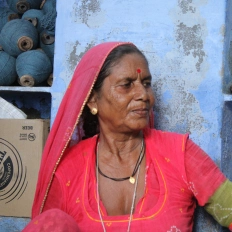
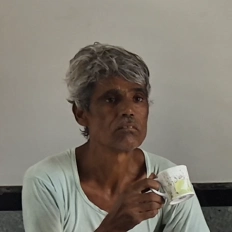
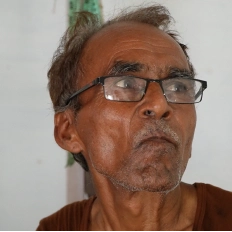
This report presents findings from a short-term ethnographic immersion in the khadi wool communities of Bikaner, Rajasthan, conducted by a team of student researchers. Our objective was to apply qualitative research methods to understand the social dynamics and systemic gaps within the craft ecosystem. The artisans, having been the subject of many studies, seemed to offer rehearsed responses, born from a skepticism that such research rarely leads to tangible improvements in their lives. To move beyond these scripted interactions, we adopted a more conversational and open-ended approach. By letting the artisans guide the discussions, we were able to discover a more nuanced reality. These conversations revealed the underlying tensions and complex relationships that shape the local khadi sector.
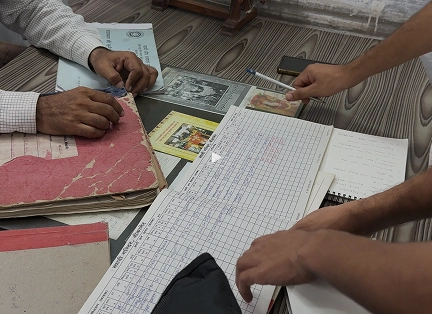
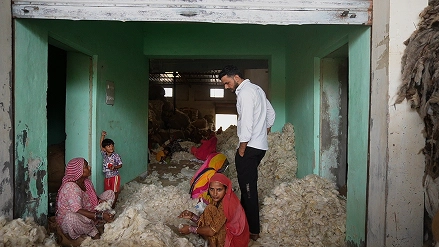
Our findings highlight a significant disconnect between official narratives and the lived experiences of the artisans. The very meaning of "khadi" is fluid, often shaped by individuals to serve their own interests. We observed a persistent gap between government policies designed to support craftspeople and the actual access to these schemes at the grassroots level. A key issue is the powerful role of intermediaries, who often control access to markets and information, reinforcing existing hierarchies and impacting the earnings of those at the very beginning of the supply chain, such as the wool-supplying shepherds. This has fostered a sense of detachment among the artisans, who feel that the benefits of their craft do not always reach them.